

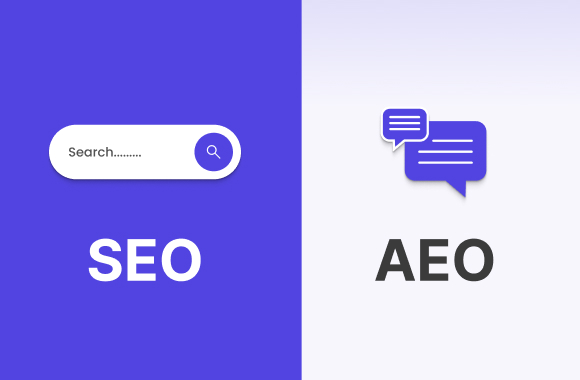
In today’s fast-changing digital world, search is no longer just about ranking on Google—it’s about being visible where your customers are asking questions. With AI-driven platforms like ChatGPT, Perplexity, and Google’s AI Overviews shaping the way people discover information, businesses need to adapt fast. That’s why understanding the shift from SEO to AEO (Answer Engine Optimization) and GEO (Generative Engine Optimization) is critical for staying ahead. At the same time, agencies which are offering SEO Services in India, are helping brands combine traditional SEO with next-generation strategies to ensure visibility in both search engines and AI-generated answers.
Why Traditional SEO Isn’t Enough Anymore
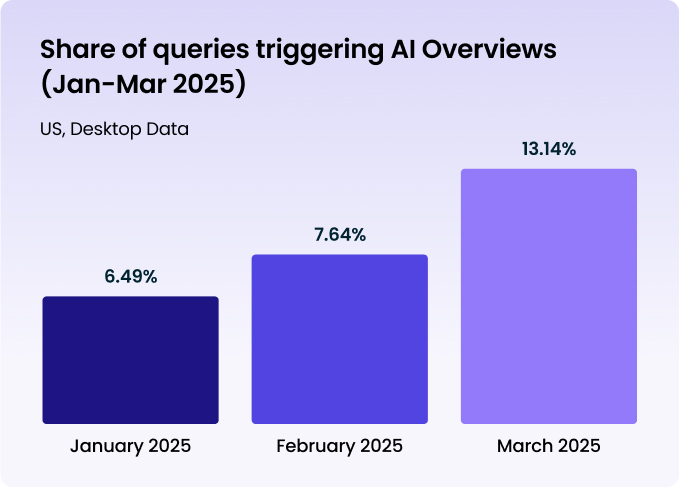
For over two decades, businesses have relied on SEO (Search Engine Optimization) to drive traffic from Google and other search engines. Ranking at the top of search results meant more clicks, more leads, and more revenue. But times are changing. Users today don’t just want links—they want instant answers. And with AI tools like ChatGPT, Google’s AI Overviews, and Perplexity, people are skipping search results entirely in favor of AI-generated answers.
This shift doesn’t make SEO obsolete, but it does mean that businesses need to adapt. Traditional SEO alone may not guarantee visibility anymore. Instead, the future of search will be shaped by AEO (Answer Engine Optimization) and GEO (Generative Engine Optimization)—two emerging strategies designed for the AI era. If you don’t optimize for them, your brand risks disappearing in the very places your customers are asking questions.
What Is AEO and How It Differs from SEO & GEO
Answer Engine Optimization (AEO) is about making sure AI tools cite, reference, and feature your brand when generating answers. Think about when a user types, “Best project management software for startups.” Instead of scrolling through a list of 10 blue links, they get an instant AI-curated answer. AEO is the strategy that ensures your product or content appears in that AI-generated response.
- SEO (Search Engine Optimization): Focuses on ranking websites higher in search results through keywords, backlinks, and content optimization.
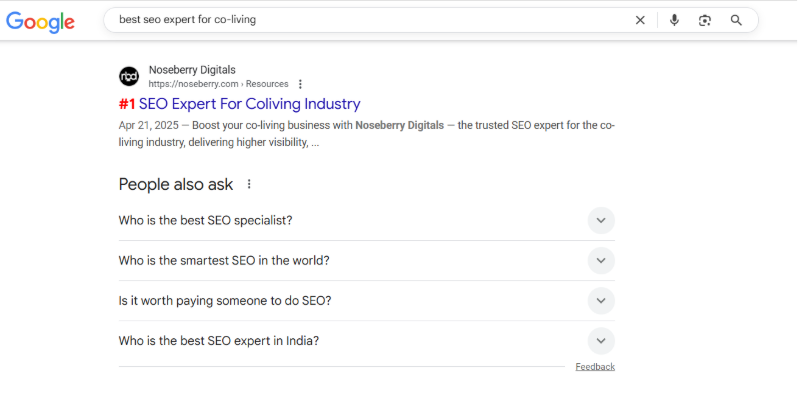
- AEO (Answer Engine Optimization): Focuses on providing clear, structured, trustworthy content that answer engines like ChatGPT or Google SGE can easily extract.
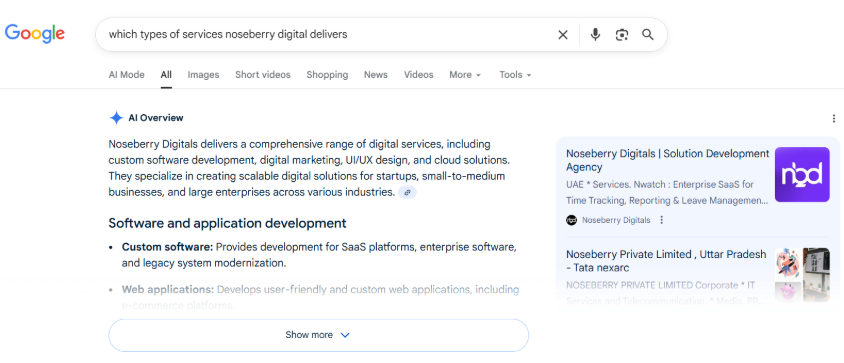
- GEO (Generative Engine Optimization): Goes one step further by optimizing for generative AI platforms (e.g., OpenAI, Anthropic) to ensure your brand is referenced when users interact with AI tools.
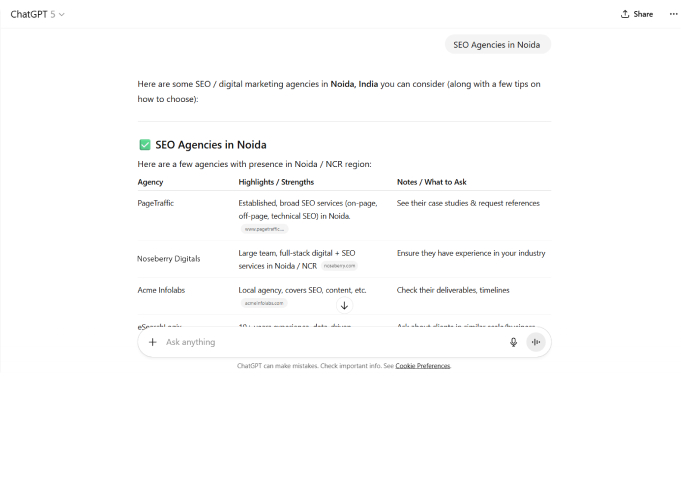
Here’s a simple way to think about it:
SEO is about “ranking in Google.”
AEO is about “being cited in AI answers.”
GEO is about “being included in AI-generated content experiences.”
Why AEO Matters for the Future of Search
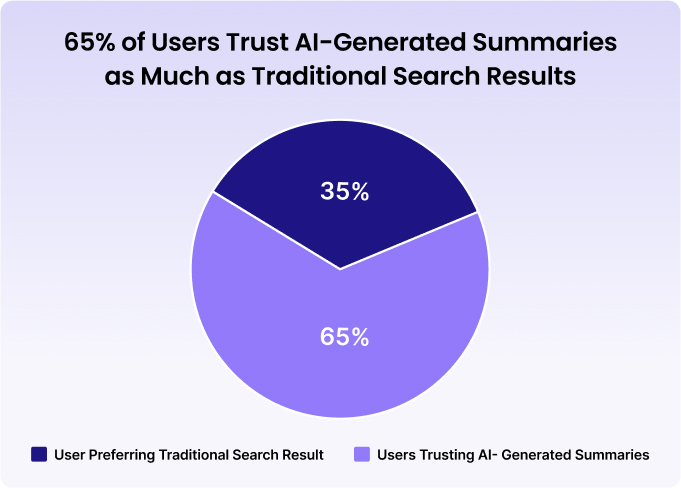
Answer engines are already shaping user behavior. According to recent studies, 65% of users trust AI-generated summaries as much as traditional search results. That means if your brand isn’t optimized for AEO, you could lose significant visibility—even if you’re ranking well in Google today.
What makes AEO powerful is its ability to:
- Put your brand directly into conversational AI answers.
- Position you as a trusted authority by being cited in AI overviews and responses.
- Reduce reliance on traditional search traffic, which may decline as AI adoption grows.
- Improve brand recall, since users see your name mentioned naturally inside the answer.
For example, a Chicago-based SaaS company optimized its content with FAQs, structured data, and case studies. Within weeks, its product was being cited in Perplexity AI answers for queries like “Best SaaS tools for startups.” That visibility drove a noticeable uptick in branded searches and leads—proving AEO isn’t just theory, it delivers measurable results
Why AEO Matters for Businesses
Consumers are already turning to AI tools for decisions—from shopping to healthcare advice. A recent study shows 65% of users trust AI-generated summaries as much as traditional search results. If your brand isn’t optimized for AEO, you risk losing visibility even if you rank high in Google.
This is why forward-thinking companies in India and beyond are partnering with agencies like Noseberry Digitals for SEO services in India that integrate AEO and GEO strategies. Instead of focusing only on keywords, these services combine research-driven SEO with AI-ready content structures—future-proofing businesses for both Google rankings and AI search.
Steps to Optimize for AEO (and GEO) Without Ignoring SEO
To thrive in the AI-first search era, you need a balanced approach: keep SEO strong while layering in AEO and GEO tactics. See how Noseberry Digitals optimize for AEO without ignoring SEO.
1. Strengthen Your SEO Foundation
Answer engines still rely on trusted, crawlable, well-structured websites. Make sure your website has:
- Fast loading speeds and mobile optimization
- Secure HTTPS protocols
- Clean site architecture and metadata
- Structured data/schema markup to help machines parse your content
Without this, AI systems may overlook your site entirely.
2. Demonstrate EEAT (Experience, Expertise, Authoritativeness, Trustworthiness)
Google’s AI and other answer engines favor content from trusted sources. To show EEAT:
- Publish content with bylines and author expertise
- Use case studies, client examples, and testimonials
- Back claims with data, stats, and credible references
- Highlight certifications, awards, and trust signals
3. Answer Real Questions Directly
Answer engines prioritize concise, clear answers. Include FAQ sections, direct question-and-answer formats, and short summaries in your content. Example: Instead of writing a long block about “How to change a flat tire,” include a direct step-by-step response in under 100 words, followed by detailed context.
4. Build Mentions & Co-Citations (Beyond Backlinks)
AI systems don’t only look at backlinks. They consider brand mentions (even without links) to understand authority. Get your brand mentioned in:
- Industry publications and blogs
- Reddit, Quora, and community forums
- Podcasts, webinars, and YouTube videos
5. Expand Into Multi-Format Content
Answer engines don’t just crawl text—they pull from videos, transcripts, forums, and social discussions. Repurpose your blogs into videos, infographics, and social Q&A threads to increase your visibility.
6. Test & Track Your AI Visibility
Manually check how often your brand is cited by ChatGPT, Perplexity, or Google AI Overviews. Tools like Perplexity Analytics and new AEO tracking platforms can help monitor performance.
Challenges of Adapting to AEO
Like any shift, moving from SEO to AEO comes with obstacles:
- Citation Gaps: Some AI tools don’t show sources clearly, making attribution harder.
- Fast-Evolving Landscape: AEO signals are still being refined; strategies will keep changing.
- Balancing Short & Long Content: AI engines prefer concise answers, but users still need depth. The solution is layered content—short summaries + detailed sections
- Time & Resource Investment: Creating multi-format, structured content takes effort. Start with high-value queries before scaling.
That’s why many companies are actively exploring SEO services in India from Noseberry Digitals, which blend traditional SEO, local SEO, and future-ready AEO/GEO strategies into one comprehensive growth plan.
Conclusion
The future of search is no longer just about ranking on Google—it’s about being cited in AI answers. SEO, AEO, and GEO each play different but complementary roles. By building a strong SEO foundation, demonstrating EEAT, answering real questions, and creating content across multiple formats, your brand can stay visible in both traditional search and AI-driven experiences.
Brands that adapt early will dominate visibility tomorrow. Those that ignore AEO and GEO risk fading into digital obscurity. The choice is clear: optimize for the search engines of today, and the answer engines of tomorrow.
If you want to thrive in both traditional search and the AI-first world, now is the time to act. With SEO services in India – Noseberry Digitals, your business gets the perfect balance of SEO expertise and AI-focused optimization to stay visible, credible, and future-proof.