
The B2B SaaS (Software as a Service) ecosystem is evolving rapidly as businesses around the world shift from traditional software solutions to cloud-based applications. With advancements in AI, automation, and remote collaboration tools, the market is poised for significant growth in 2026 and beyond. But who are the top B2B SaaS companies and platforms driving this change? What platforms should businesses be watching to stay competitive in the ever-expanding B2B SaaS world?
This post delves into the major trends, platforms, and companies shaping the B2B SaaS landscape in 2026. Whether you’re a business looking to integrate new SaaS solutions or an investor searching for the next big thing, understanding the evolving ecosystem is key to staying ahead. Let’s explore the major players, emerging trends, and the platforms that will define the future of business software.
Why B2B SaaS Matters in 2026
B2B SaaS solutions are the backbone of modern businesses, enabling seamless operations, collaboration, and growth. These cloud-based services offer businesses the flexibility to scale quickly without the burden of maintaining costly infrastructure. With the rise of hybrid and remote workforces, SaaS platforms have become indispensable for efficient communication, project management, and data analytics.
In 2026, the focus will be on highly customizable and integrative solutions that allow businesses to personalize their SaaS experience. As automation, AI, and machine learning take center stage, the demand for platforms that can provide data-driven insights and foster enhanced customer relationships will surge. B2B SaaS platforms are no longer just tools—they are essential to business transformation.
Market Size of B2B SaaS
The B2B SaaS market is experiencing rapid growth and is expected to reach a valuation of over $200 billion by 2026. This growth is driven by the increasing adoption of cloud technologies, the demand for scalable business solutions, and the shift towards remote work and digital transformation.
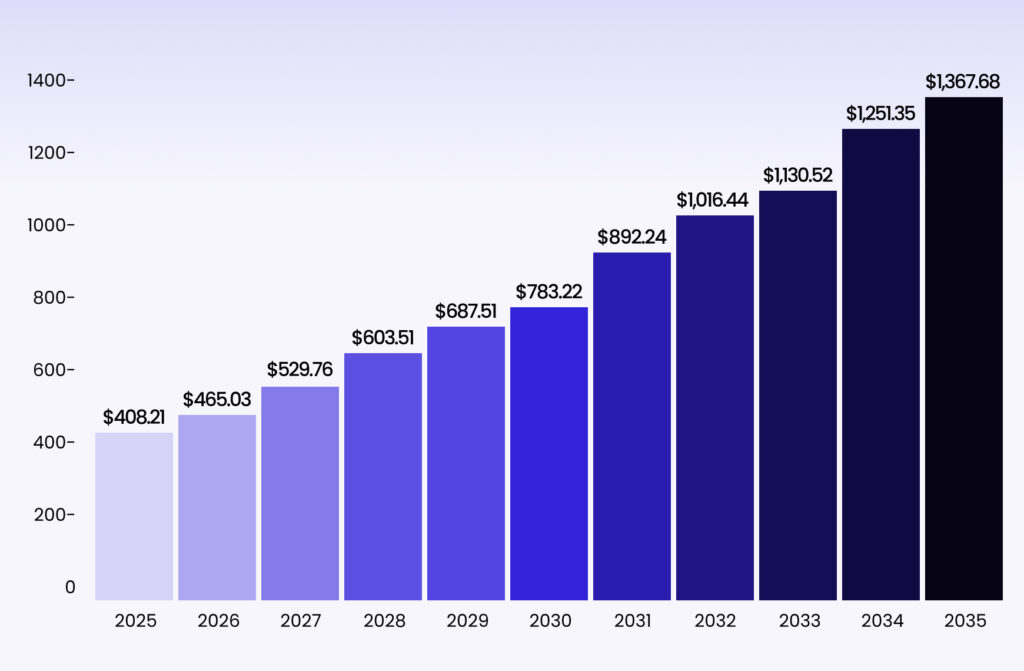
With businesses across various industries integrating SaaS platforms for everything from customer relationship management (CRM) to accounting and HR, the potential for market expansion is immense. Companies are increasingly relying on B2B SaaS solutions to reduce costs, streamline operations, and enhance collaboration.
The continued proliferation of AI, automation, and machine learning technologies within SaaS platforms will further fuel growth. Additionally, the demand for industry-specific solutions (vertical SaaS) is helping to create new niches within the broader B2B SaaS space. As more businesses embrace SaaS for scalability and flexibility, the market size is projected to keep growing, making it a lucrative segment for investment and innovation.
Key Trends Shaping the B2B SaaS Ecosystem in 2026
1. AI and Automation Integration
Artificial Intelligence is playing an increasingly important role in B2B SaaS. In 2026, platforms will integrate AI not only for automation but also for providing actionable insights. Predictive analytics, natural language processing, and machine learning will be key drivers in enhancing productivity, personalization, and decision-making.
2. Customization and Personalization
Businesses want software that is tailored to their specific needs. The demand for highly customizable platforms that integrate seamlessly with other tools and systems will continue to rise. In 2026, SaaS platforms will allow businesses to create bespoke solutions without needing to develop software from scratch.
3. Remote Collaboration Tools
With remote and hybrid work models becoming the norm, SaaS platforms that facilitate collaboration across geographically dispersed teams will continue to thrive. SaaS solutions that include integrated video conferencing, file sharing, real-time editing, and communication tools will remain in high demand.
4. Data Privacy and Security
As data security becomes a growing concern, B2B SaaS providers must focus on providing robust security features. Businesses are now more cautious about where their data is stored and how it’s protected. Platforms that prioritize GDPR compliance, end-to-end encryption, and other privacy features will attract a broader customer base.
5. Vertical SaaS Solutions
While horizontal SaaS platforms like CRM and ERP systems remain popular, vertical SaaS solutions—targeted to specific industries such as healthcare, finance, and manufacturing are gaining momentum. These platforms cater to niche industries and offer more specialized features, creating opportunities for businesses to enhance their operations in ways that generalized platforms cannot.
Challenges Top B2B SaaS Companies Will Face in 2026
- Increasing Competition:
As the B2B SaaS market grows, new players will emerge, and the battle for market share will intensify. Established companies will need to differentiate themselves by offering unique features, better customer service, or industry-specific solutions.
- Adoption Barriers:
While SaaS platforms offer numerous benefits, businesses often face challenges when migrating from legacy systems. Ensuring smooth adoption and integration will remain a challenge for both new and existing customers.
- Customer Retention:
With so many SaaS options available, customer retention will be a key challenge. Companies will need to continually innovate and offer exceptional customer experiences to maintain long-term client relationships.
Differences Between B2B SaaS and B2C SaaS
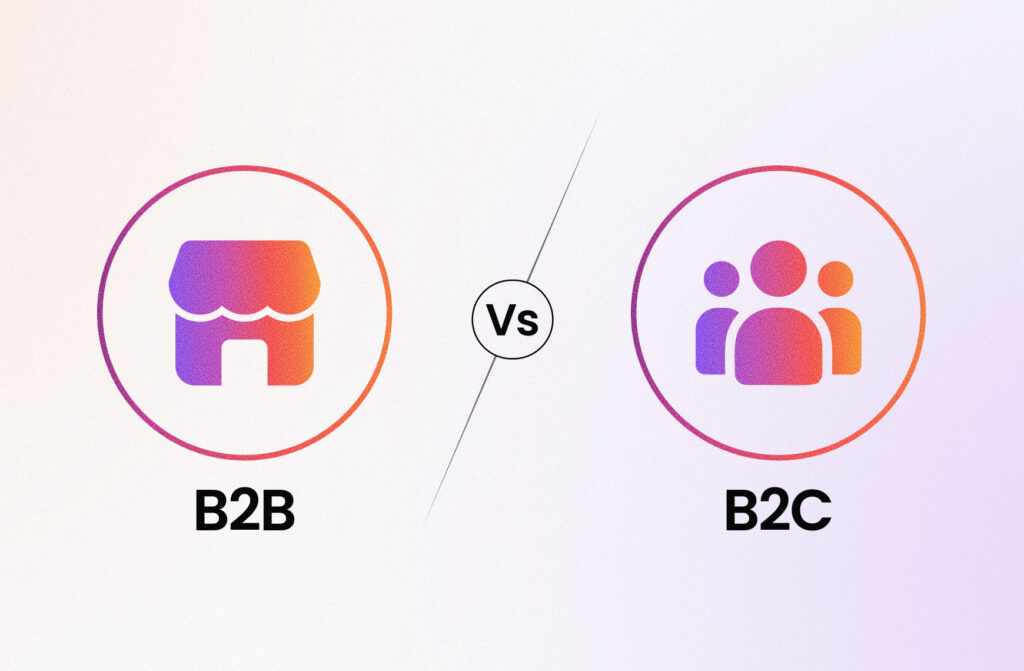
While both B2B (Business-to-Business) SaaS and B2C (Business-to-Consumer) SaaS platforms are cloud-based software solutions, they serve different target audiences, and this shapes how they are designed, marketed, and priced.
Here are the key differences:
1. Target Audience:
B2B SaaS platforms cater to businesses, organizations, or teams, offering software solutions that improve operations, collaboration, or specific business functions. In contrast, B2C SaaS platforms are aimed at individual consumers, providing software services such as entertainment, productivity tools, or personal finance management.
2. Sales Cycle:
B2B SaaS sales cycles tend to be longer and more complex, often involving multiple decision-makers and a more extensive evaluation process. B2C SaaS sales are generally quicker, with individual consumers making decisions faster without the need for approval from multiple stakeholders.
3. Pricing Model:
B2B SaaS platforms typically use subscription pricing models based on the number of users, features, or customizations required. B2C SaaS platforms may offer freemium models with tiered pricing, focusing on individual purchases, such as one-time fees for apps or monthly subscriptions for personal use.
4. Customization
B2B SaaS solutions are highly customizable to meet the specific needs of businesses. This can include integrations with other enterprise systems and extensive user control over data management. B2C SaaS solutions, on the other hand, are more standardized, designed to cater to a broad consumer base with less need for customization.
5. Customer Support:
B2B SaaS requires more personalized and comprehensive support, as businesses often need assistance with implementation, training, and troubleshooting. B2C SaaS generally offers less in-depth support, with resources like FAQs, online help desks, and community forums.
In summary, while both models operate in the software-as-a-service space, B2B SaaS targets organizational needs and focuses on efficiency and scalability, whereas B2C SaaS aims at personal users and emphasizes ease of use and affordability.
How to Follow the B2B SaaS Business Model?
Building a successful B2B SaaS business model requires a strategic approach that aligns with both market demand and customer needs. Here are key steps to follow:
1. Identify a Niche Market:
Focus on solving a specific problem for businesses, whether it’s related to marketing, sales, customer service, or another business function. Tailoring your SaaS product to a niche industry allows you to create a competitive advantage and build a more focused customer base.
2. Develop Scalable Technology:
The SaaS model is about scalability. Build a product that can handle the growth of your users without requiring major changes to the infrastructure. Consider cloud platforms and microservices architecture to ensure your software can scale with demand.
3. Offer Customization and Flexibility:
Businesses require different functionalities depending on their size, industry, and needs. Offering modular pricing models and customization options can help attract a wider range of businesses to your platform.
4. Pricing Strategy:
Adopt a subscription-based pricing model, offering tiered plans based on features, number of users, or usage limits. Pricing needs to be competitive, with a clear value proposition. Additionally, consider free trials or freemium models to attract customers initially.
5. Focus on Customer Success:
Customer success is critical in the B2B SaaS business model. Offer strong customer support, regular product updates, and training resources. A dedicated customer success team can help ensure that businesses achieve the full potential of your platform.
6. Implement Efficient Sales and Marketing:
B2B SaaS businesses often have longer sales cycles, requiring a strong sales and marketing strategy. Utilize inbound marketing, SEO, webinars, and content marketing to attract leads. Follow up with personalized demos and sales processes that address the unique needs of each business.
7. Track Metrics and Iterate:
Focus on key performance indicators (KPIs) like Customer Acquisition Cost (CAC), Lifetime Value (LTV), churn rate, and Monthly Recurring Revenue (MRR). Regularly review and optimize your product and business model based on these insights.
By building a product that solves real pain points for businesses, providing a strong support structure, and continuously refining the customer experience, your B2B SaaS business can scale successfully.
Real-World Use Case: AI in B2B SaaS
NWatch – An enterprise SaaS platform for time tracking, reporting, and leave management. Provides businesses with a centralized tool to monitor employee productivity, track time, and manage leaves efficiently.
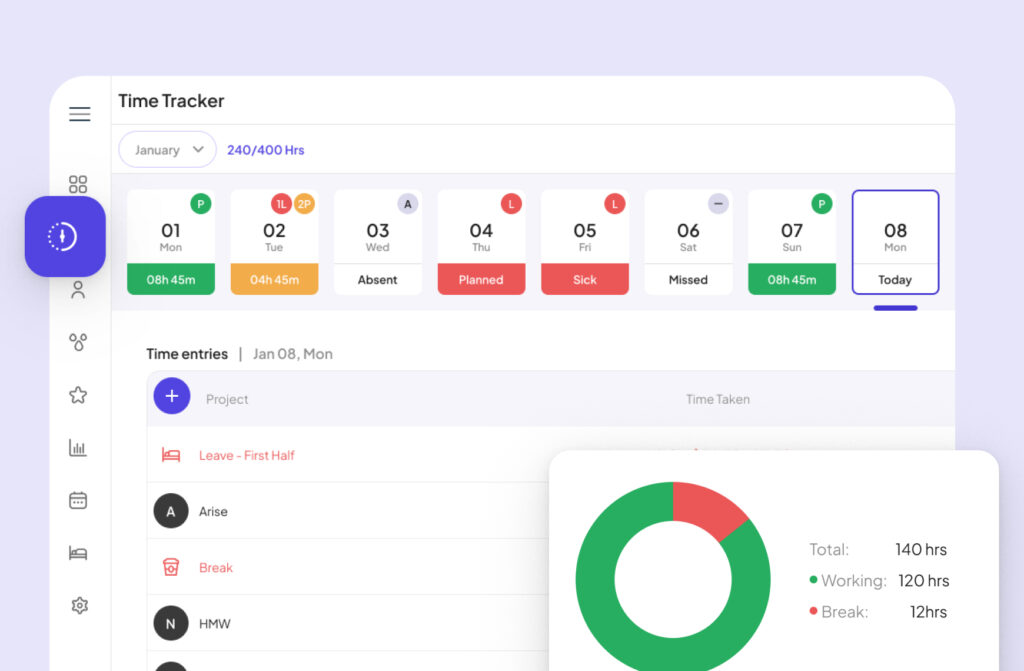
By automating time tracking and reporting, NWatch a Noseberry product helps businesses reduce administrative overhead while ensuring accurate and transparent leave management. With NWatch, companies can improve workforce efficiency, streamline HR processes, and generate actionable insights to optimize business operations.
Top B2B SaaS Companies in the World
Here are nine of the most influential and innovative B2B SaaS companies that are leading the way in 2026:
1. Google Workspace
Formerly known as G Suite, Google Workspace is one of the most widely used B2B SaaS platforms for businesses of all sizes. It offers a suite of productivity and collaboration tools, including Gmail, Google Drive, Docs, and Meet.
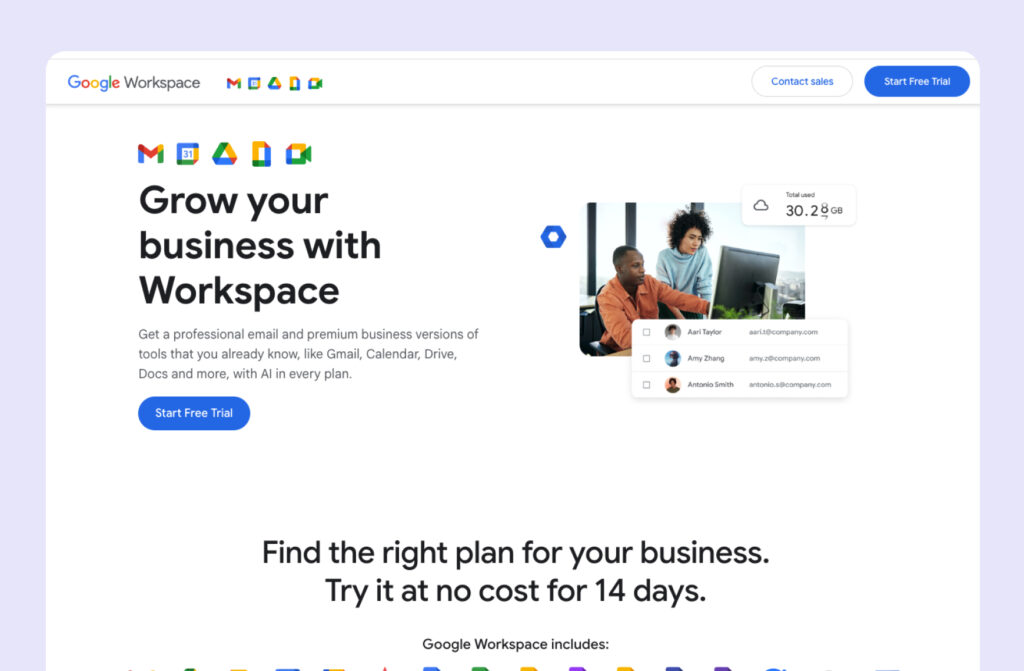
Google Workspace continues to grow as it integrates AI and machine learning to enhance user experience.
2. Microsoft Office 365
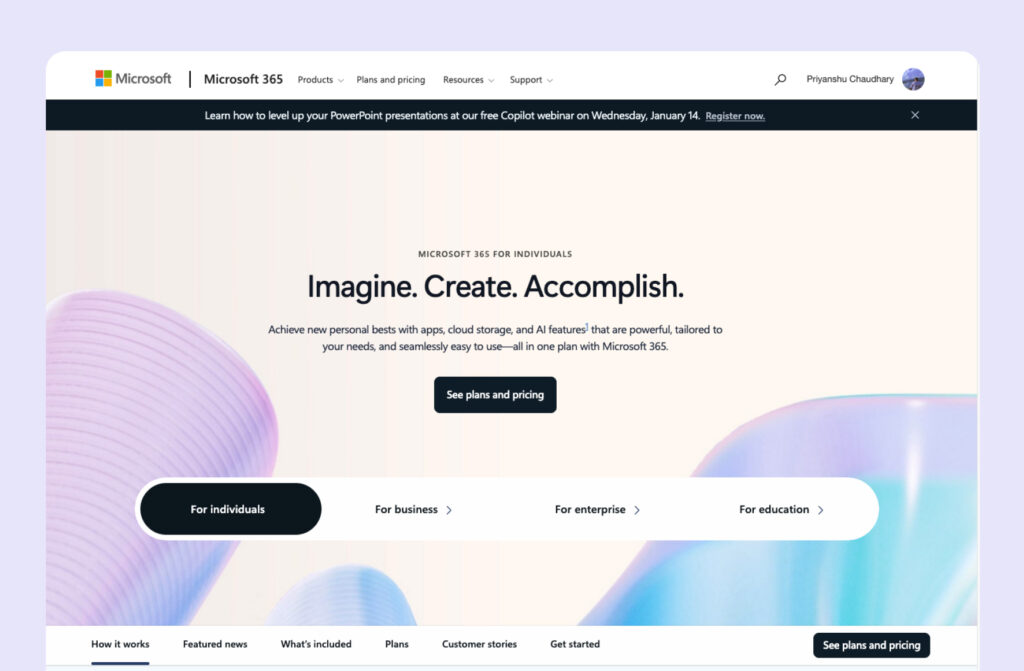
Microsoft Office 365 is a staple in the B2B SaaS world. Offering cloud-based versions of Word, Excel, PowerPoint, and other business tools, Office 365 is a critical tool for productivity, communication, and collaboration in businesses worldwide.
3. Adobe
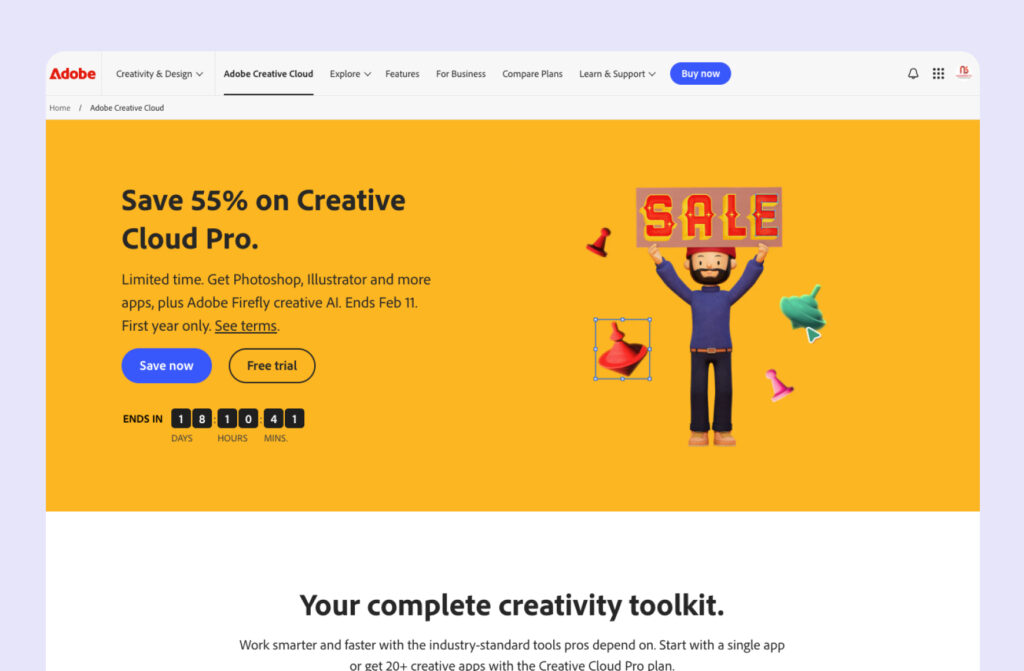
Adobe’s suite of cloud-based tools, such as Adobe Creative Cloud and Adobe Document Cloud, is essential for businesses in the creative and marketing sectors. Adobe has embraced SaaS by offering subscription-based access to its powerful design and document management tools.
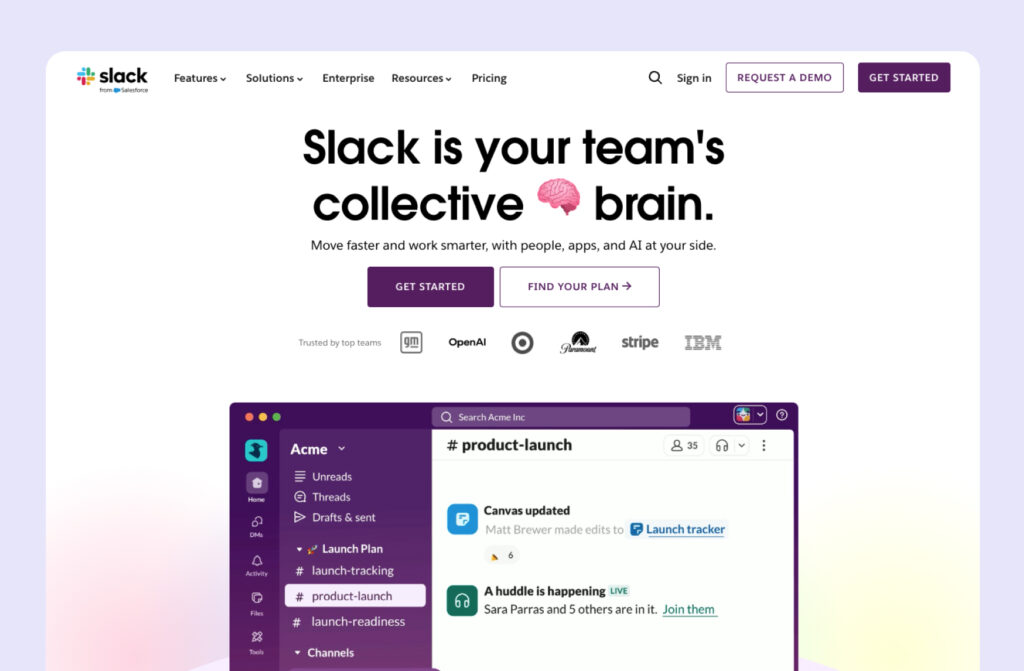
4. Slack
Acquired by Salesforce, Slack is a leader in team communication and collaboration. This B2B SaaS platform helps organizations streamline communication through channels, direct messages, and integrations with other productivity tools.
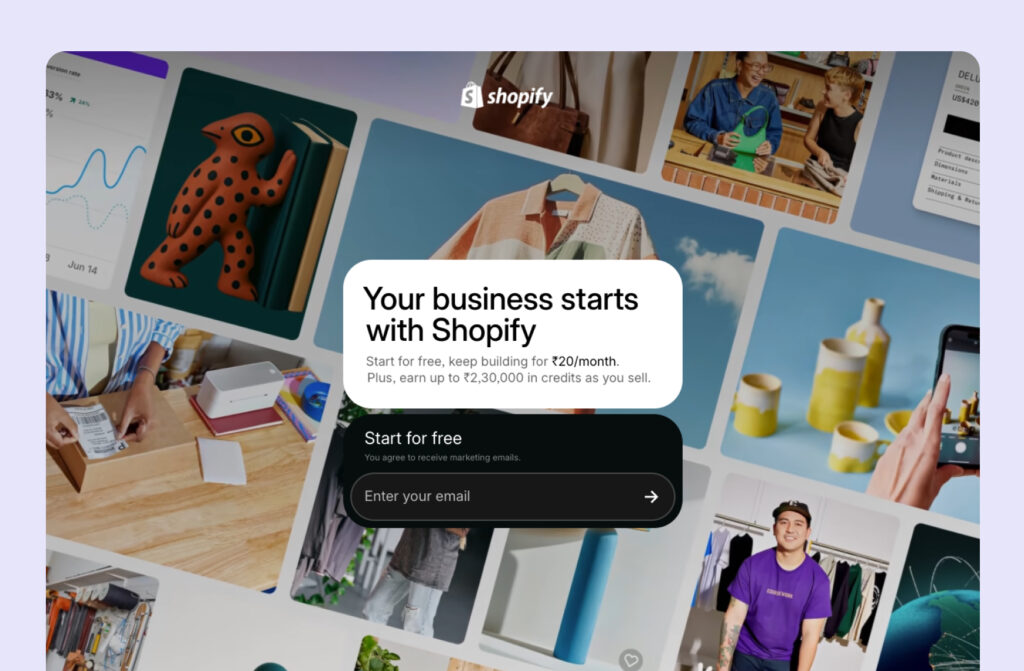
5. Shopify
Shopify offers an e-commerce platform for businesses to build online stores, manage payments, and handle inventory. It has transformed the way small and medium-sized businesses approach e-commerce by providing an accessible, cloud-based solution.
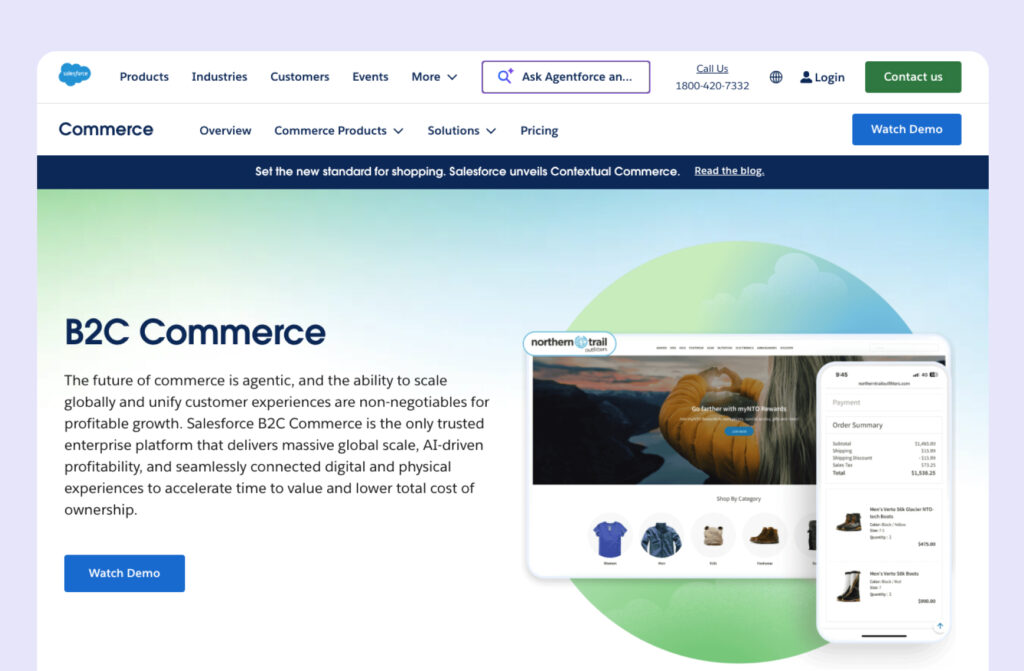
6. Salesforce B2C Commerce
Salesforce has been a major player in B2B SaaS for customer relationship management (CRM), but its B2C Commerce platform is also a powerful tool for businesses looking to streamline their e-commerce and digital marketing operations.
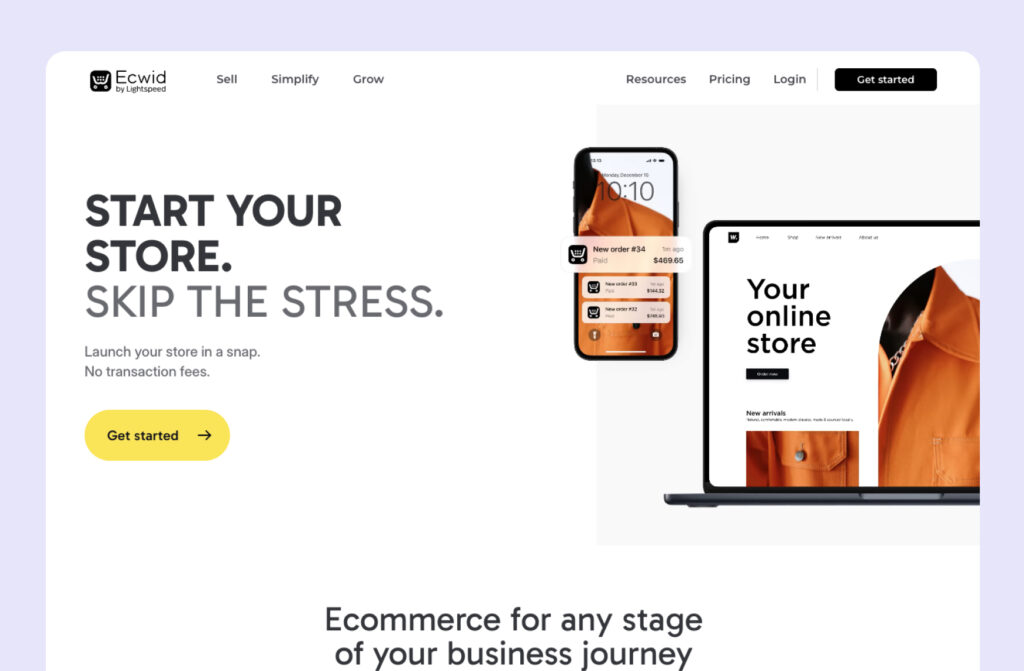
7. Ecwid
Ecwid is a popular SaaS platform that enables businesses to add e-commerce functionality to their existing websites. With an easy-to-use interface and a focus on small businesses, Ecwid allows entrepreneurs to create online stores without needing extensive technical knowledge.
8. Mailchimp
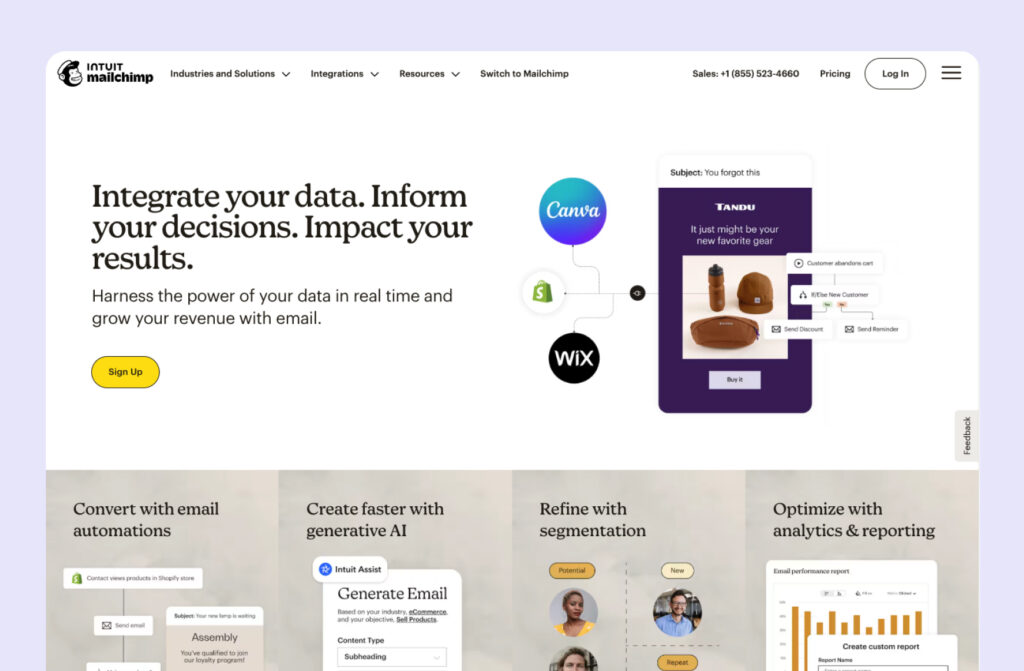
Mailchimp is a leader in email marketing, offering automation, analytics, and segmentation features for businesses. It has become an essential platform for marketers looking to manage their email campaigns efficiently.
9. GetResponse
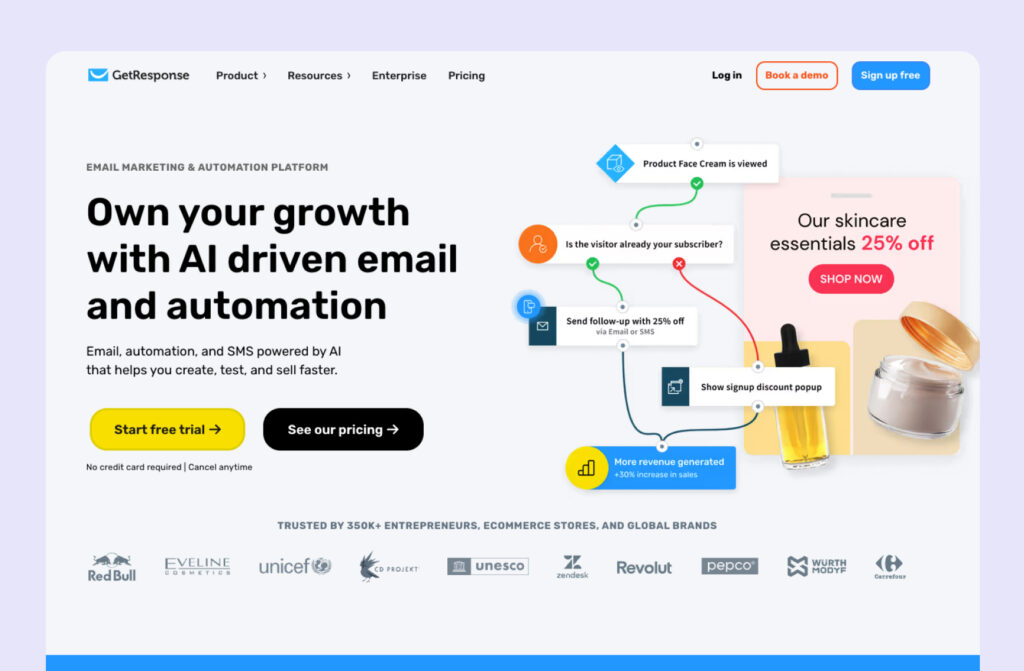
GetResponse is an all-in-one marketing platform that offers email marketing, landing pages, and automation tools. It is used by businesses to create personalized marketing campaigns and grow their online presence.
These companies represent the top B2B SaaS platforms that are shaping the future of business operations, from communication and e-commerce to marketing and collaboration. Their continued success highlights the growing demand for SaaS solutions that streamline business processes and improve efficiency.
Conclusion: The Future of B2B SaaS
In 2026, the B2B SaaS landscape will continue to evolve, driven by AI, automation, and industry-specific solutions. As businesses demand more flexibility, customization, and data-driven insights, SaaS providers will need to adapt to meet these needs. By staying ahead of trends and keeping a keen eye on key players, businesses can continue to leverage SaaS platforms to scale efficiently and securely.