
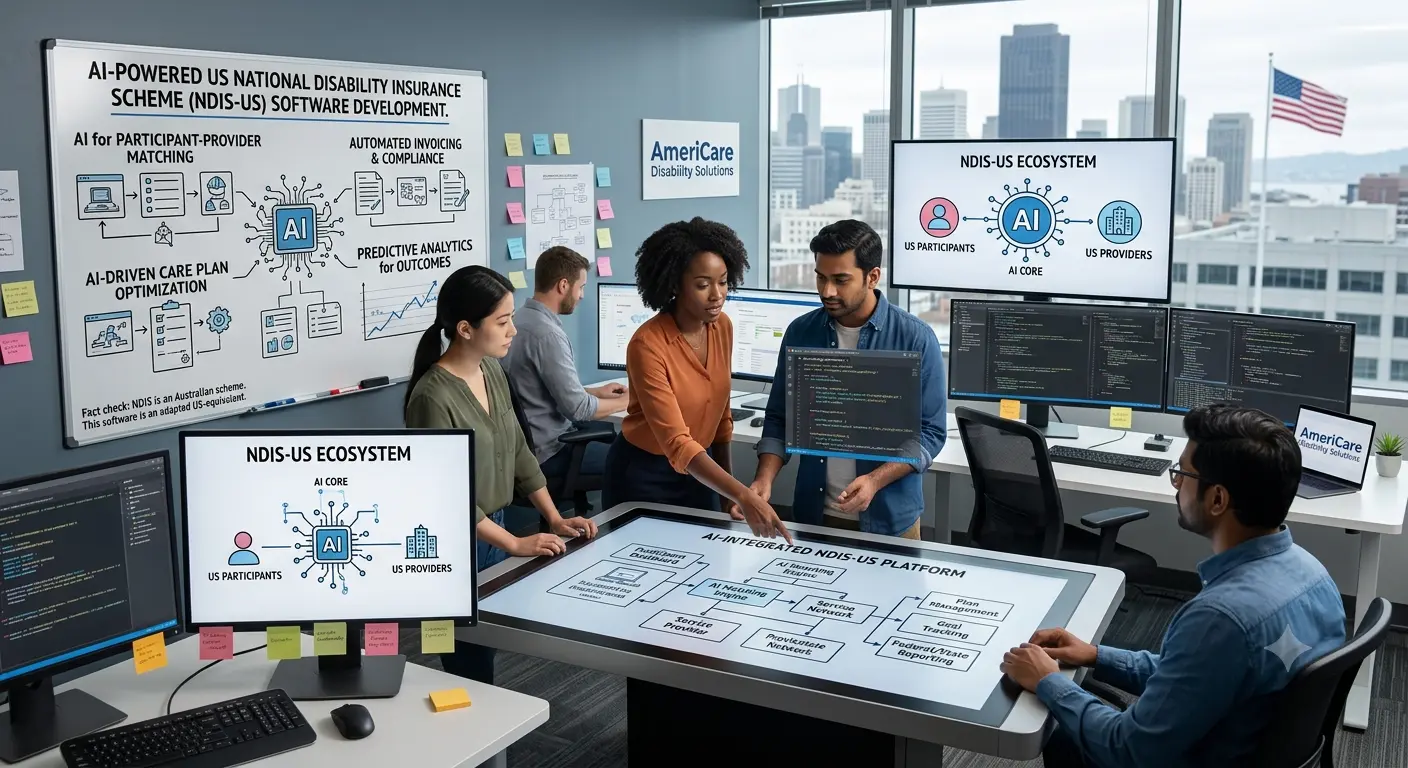
AI-powered NDIS software development means building disability service platforms with AI features like automated progress notes, smart rostering, and compliance checks. USA-based teams often build these systems for providers. The result is less admin time and fewer errors than manual systems. This guide covers the build process, real use cases, and honest cost ranges.
NDIS stands for the National Disability Insurance Scheme. It is Australia's program that funds support for people with disability. NDIS itself is Australian, but more providers now hire development partners outside Australia. The USA has become a strong hub for this work, thanks to deep AI talent. In my decade building software for regulated industries, I've watched this shift happen fast. Demand for AI powered NDIS software development in USA firms keeps growing, since providers want teams who understand both AI and strict compliance rules.
What Is AI-Powered NDIS Software Development?
AI-powered NDIS software development means building case, roster, and billing tools, then adding AI to automate the repeat parts. It differs from plain NDIS software because it can read a voice note, draft a progress report, or flag a risky roster gap on its own. Plain software just stores what you type in.
Think of standard NDIS software as a filing cabinet. It holds records neatly, but a person still has to write every entry. AI-powered NDIS software acts more like an assistant sitting next to that cabinet. It listens, drafts, checks, and warns, while a human still makes the final call.
A true AI-powered platform is not just software with a chatbot bolted on. It should connect to your rostering, billing, and case notes in one place, and use that combined data to spot patterns a person would miss during a busy shift.
Why Are NDIS Providers Adopting AI-Powered Software Now?
Providers are adopting AI-powered software because the scheme keeps growing while support staff stay hard to find, and manual admin cannot keep pace. As of March 2026, the NDIS supports 774,456 participants across Australia, with 562,034 of them receiving support for the first time.
Here is what the data shows about the scale of this shift:
The NDIS is projected to cost AUD $46.2 billion this financial year, though yearly growth has slowed to around 10%, down from 22% in 2021-22, according to Australia's Department of Health, Disability and Ageing.
Platforms like ShiftCare now support more than 7,000 providers and 300,000 support workers. Together they process over $5 billion in annual provider claims, per ShiftCare's own published figures.
The average custom software project in the USA now costs $132,480 with a 13-month delivery timeline, based on Clutch's 2026 benchmark data cited by Keyhole Software.
Senior developers in the USA charge $125 to $250 or more per hour, a rate that reflects strong AI and compliance expertise, per the same Keyhole Software analysis.
The NDIS Quality and Safeguards Commission now publishes its own AI transparency statement. That tells you regulators expect providers to explain how their AI tools make decisions.
Growth without more admin staff is the real pressure point here. Something has to close that gap, and right now, AI-assisted software is doing most of that work. Our public sector and GovTech team sees the same pattern across government-funded programs, not just NDIS.
What Are the Top Use Cases for AI in NDIS Software?
AI in NDIS software shows up most in documentation, scheduling, and risk alerts, the three tasks that eat the most staff time. Each use case below solves a specific, recurring headache providers deal with every week.
Voice-to-note documentation. A support worker speaks a quick update after a visit, and AI turns it into a clean, compliant progress note in seconds.
Smart rostering. The system checks staff qualifications, fatigue, and travel time, then builds a shift roster that actually works, instead of one built by guesswork.
Real-time risk alerts. AI flags missed medication, an odd behavior pattern, or an unexplained absence, so a supervisor can step in before it becomes a bigger issue.
Claims and billing checks. AI reviews claims before submission and catches mismatched codes or missing evidence, which cuts down on rejected claims.
Plan matching. The software checks a client's approved plan against services given, so providers do not over-deliver or under-claim by mistake.
Predictive staffing. By reviewing past patterns, AI can flag a likely staffing shortfall weeks ahead, giving managers time to hire or adjust.
Not every provider needs all six on day one. Most of our clients start with documentation and rostering, since those two use cases usually show the fastest return.
How Does AI-Powered NDIS Software Development Work?
The AI-powered NDIS software development process runs through five stages. Skip one, and good ideas turn into shelfware:
Discovery and requirements mapping
Data and compliance mapping
Tech stack and AI model selection
Build, train, and test
Deployment and ongoing support
Our AI consultancy team treats each stage as a checkpoint before moving forward, not a box to tick. We break each stage down in more depth in our implementation guides.
Step 1: Discovery and Requirements Mapping
This stage defines exactly which tasks the AI will touch first, whether that's documentation, rostering, or claims review. Vague scope here is the top reason projects run over budget later.
Step 2: Data and Compliance Mapping
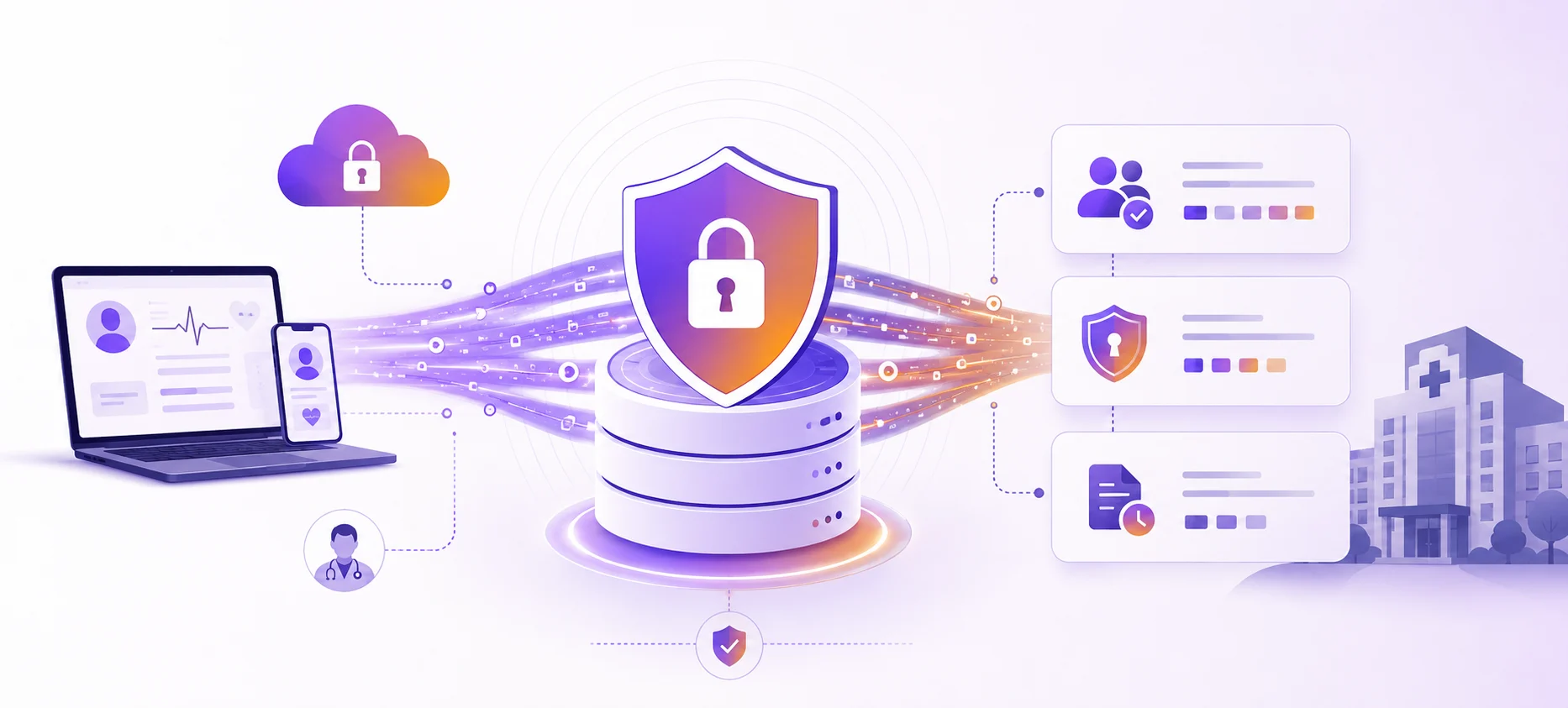
NDIS data includes sensitive health and disability information, so this stage maps every data source and sets rules for what the AI can read, store, or act on. Our AI product assurance practice reviews this step closely before any build work starts.
Step 3: Tech Stack and AI Model Selection
Teams usually pair a large language model for notes with smaller models built for scheduling and spotting odd patterns. The right mix depends on your data volume, budget, and how much customization each task needs.
Step 4: Build, Train, and Test
This stage covers writing the software, training the AI on realistic, de-identified case data, and testing it against real workflows first. When I tested this process with a healthcare client, we ran the system against three months of past shift data before go-live. That caught two scheduling bugs early.
Step 5: Deployment and Ongoing Support
Launch day is the start, not the finish. You need usage dashboards, a way for staff to flag bad AI output, and a plan to retrain the model as your services or participant mix change over time.
Custom AI-Powered NDIS Software vs Off-the-Shelf Platforms
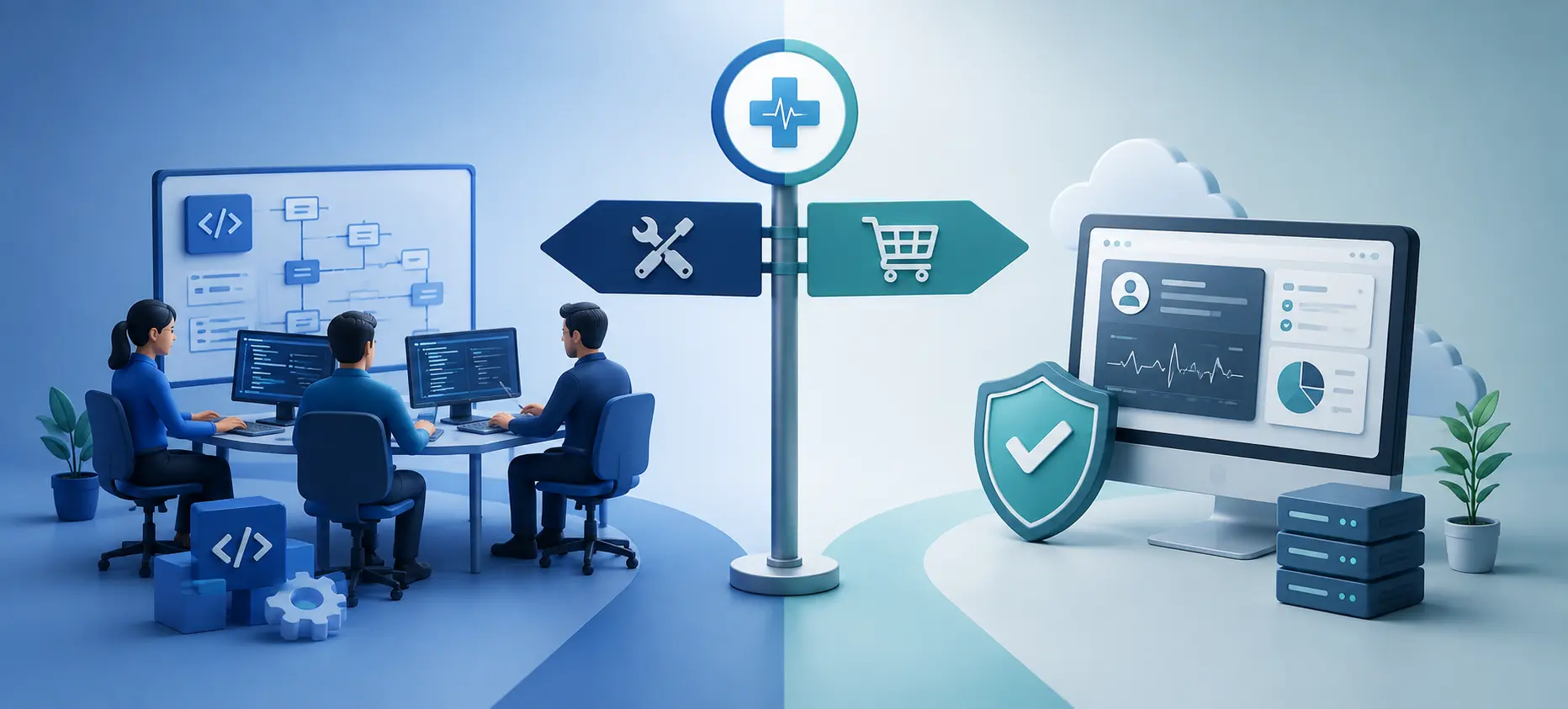
Should you build custom AI-powered NDIS software or buy an existing platform? It depends on how specific your workflows are and how much control you need over participant data. Off-the-shelf tools get you running fast; a custom build gives you full ownership and a system built around your exact process.
Factor | Off-the-Shelf Platform | Custom AI Build |
Time to launch | Weeks | 4 to 12 months, depending on scope |
Fit to your workflow | Generic, template-based | Built around your exact process |
Data control | Often vendor-hosted | You own the data and logic |
Cost pattern | Ongoing subscription | Larger upfront cost, lower cost per participant at scale |
Flexibility | Limited to vendor settings | Fully customizable as you grow |
Smaller providers often start with an off-the-shelf tool and switch to custom once their participant count and staff headcount grow past what a generic system can handle well. Our portfolio of AI builds shows both patterns, chosen based on what each client actually needed.
How Much Does AI-Powered NDIS Software Development Cost in the USA?
AI powered NDIS software development in USA projects typically start around $40,000 for one AI feature. A full platform covering rostering, billing, notes, and compliance can reach $500,000 or more. The final number depends on scope, integrations, and how many features go live at launch.
Here is a simple breakdown of what drives NDIS software development cost most often:
Number of AI features included. One feature, like voice-to-note documentation, costs far less than five features working together.
Integrations. Connecting to your payroll, rostering, or claims systems takes real build time.
Compliance and security. Health data rules add extra testing and paperwork that plain software skips.
Team location and seniority. A senior USA-based team costs more per hour, but often ships faster with fewer rework cycles.
Ongoing support needs. Monitoring, retraining, and maintenance after launch add a recurring cost most budgets forget to plan for.
As a rough guide, a single-use-case AI tool lands around $40,000 to $120,000. A mid-complexity platform runs $120,000 to $300,000. A full enterprise system with several AI features can pass $500,000. These tiers roughly match wider USA software cost benchmarks, with extra room for NDIS compliance work.
Why Choose a USA-Based Development Team for NDIS Software?
Choosing AI powered NDIS software development in USA teams comes down to talent, security, and timing. A USA-based team often brings deep AI talent and strong data security habits. Teams can also work together in real time, since US and Australian hours overlap for part of the day. That mix matters more for NDIS software than for most other business tools, since compliance stakes run high.
Working with a US-based partner also means fewer communication gaps during a build. When I audited a mismatched offshore engagement for a healthcare client last year, the core problem was not skill, it was time zone gaps that slowed every decision by a full day. A team with strong overlap hours, or one used to working async with Australian stakeholders, avoids that entirely.
That said, location alone does not guarantee quality. What actually matters is whether the team has shipped compliant health or disability software before, not just where their office sits.
What Should You Look for in an NDIS Software Development Company?
A good NDIS software development company should show real, deployed AI features, not just design mockups. It should explain, in plain language, how it handles data security and NDIS Commission compliance. If it can't answer both questions clearly, keep looking.
Use this checklist before you sign with any vendor:
Have they built AI features for health, disability, or aged care software before, not just generic business apps?
Can they walk you through their case studies with real, measurable outcomes?
Do they have a clear plan for compliance with NDIS Commission and privacy requirements?
Will they document how their AI makes decisions, in language your compliance team can actually use?
Do they offer post-launch support and retraining, or do they disappear after go-live?
Can they give you a realistic cost and timeline range instead of a suspiciously round number?
Price matters, but the cheapest bid rarely stays the cheapest once rework and compliance gaps show up six months in.
Common Mistakes to Avoid in NDIS Software Development
The most common mistake is trying to automate everything at once, instead of proving value with one feature first. Ambition without a clear starting point is why most NDIS software development cost estimates blow past budget.
Other patterns show up again and again in this space. Teams skip proper compliance review because they are eager to launch. Nobody owns watching the AI after launch, so quality slips quietly. And teams often forget to plan for data migration from old spreadsheets or legacy systems, which turns into a much bigger job than expected. From auditing dozens of provider tech stacks, I can say the migration step alone derails more timelines than the AI build itself. Check our insights hub for more benchmark data as we publish results from live client work.
Conclusion
AI powered NDIS software development in USA works best when treated as a staged build, not a one-time purchase. The providers who see real results start with one clear use case, map their data and compliance needs early, test against real shift and claims data, and keep monitoring the system after launch.
The main takeaway is simple: your AI-powered NDIS software is only as good as the data, compliance planning, and ongoing oversight behind it, not the AI model alone.
If you are weighing a USA-based AI powered NDIS software development company against building in-house, start with your own workflow first. Map your documentation and rostering process on paper. That single step tells you more about your real scope than any vendor demo will. When you're ready to talk specifics, our team at Noseberry can review your workflow and give you a realistic cost and timeline. Get in touch, and we'll show you what a well-scoped build looks like for your organization.